Green Credentials, Global Careers: How Starbucks Indonesia's Sustainability Work Is Opening Doors at America's Most Coveted Employers
When Meredith Callahan left her mid-level marketing position in Austin, Texas, to join Starbucks Indonesia's corporate sustainability team, her colleagues were politely baffled. She was trading a comfortable salary, proximity to family, and a well-understood career trajectory for something that, on paper, looked like a lateral move to a country most of her LinkedIn network had never visited professionally. Three years later, she returned to the United States with an offer from a major Silicon Valley technology company to lead its Asia-Pacific environmental compliance division—at nearly double her previous compensation.
Callahan's story is no longer an anomaly. Across the American professional landscape, a quiet but accelerating trend is reshaping how ESG-focused employers evaluate candidates: experience managing real sustainability infrastructure inside Starbucks Indonesia's operations has become one of the most bankable credentials a professional can carry into an interview room.
Why Indonesia's Sustainability Challenges Produce Exceptional Talent
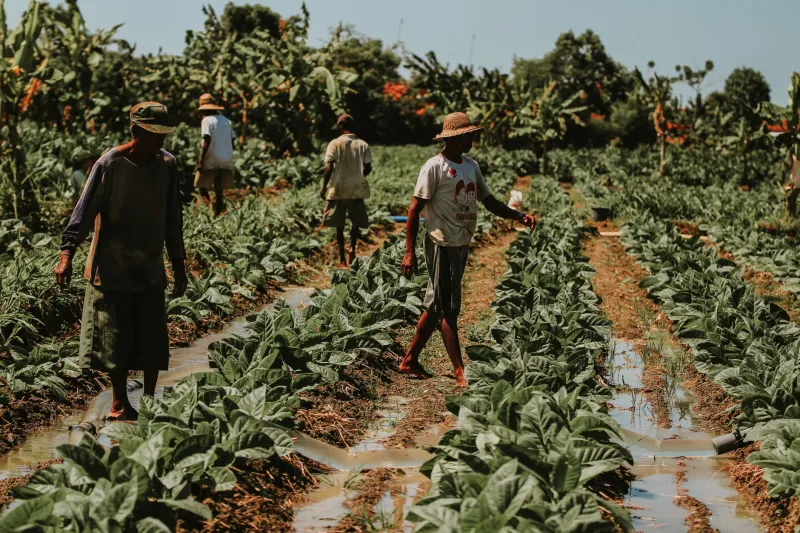
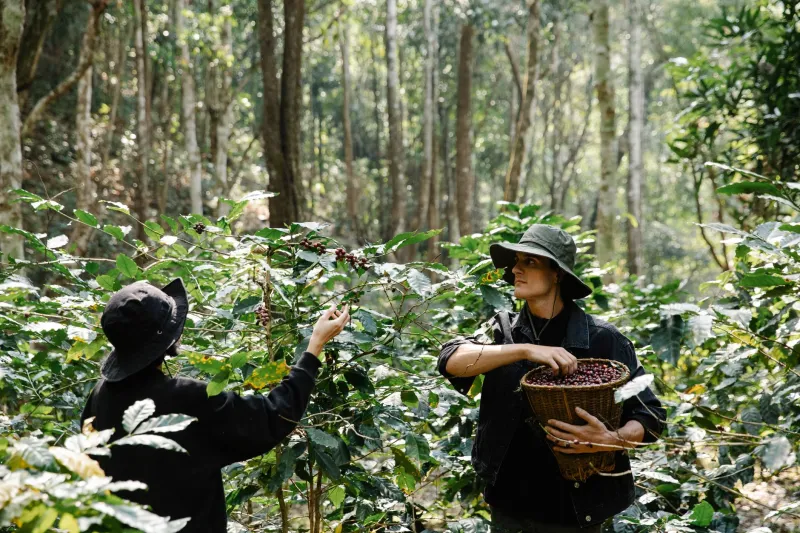
The environmental complexity of operating a global coffee brand in the Indonesian archipelago is, by any measure, extraordinary. Starbucks Indonesia's supply chain stretches across more than 17,000 islands, encompassing smallholder coffee farms in Aceh and Flores, processing facilities near ecologically sensitive watersheds, and an urban retail network spanning some of Southeast Asia's most densely populated cities. Managing sustainability within that context is not a theoretical exercise—it is an operational necessity that demands both technical fluency and cultural dexterity.
Professionals embedded in these programs routinely engage with water conservation projects in highland growing regions, circular economy initiatives at the store level, and supplier engagement frameworks that must function across language barriers, regulatory inconsistencies, and infrastructure gaps that simply do not exist in developed market contexts. The problem-solving required is iterative, high-stakes, and impossible to replicate in a classroom or a domestic corporate sustainability role.
For American employers building out their ESG functions—particularly technology companies under mounting pressure from investors, regulators, and consumers to demonstrate measurable environmental progress—this kind of operational depth is precisely what they cannot find in candidates whose sustainability experience is limited to domestic compliance work or internal reporting functions.
The ESG Talent Gap That Indonesia Is Quietly Filling
The demand for qualified sustainability professionals in the United States has outpaced supply for several consecutive years. According to workforce analysts, the number of ESG-related job postings at S&P 500 companies has grown dramatically since 2020, while the pipeline of candidates with verifiable, hands-on environmental program experience remains thin. Many applicants can articulate sustainability frameworks fluently; far fewer have actually built and managed the programs those frameworks describe.
This gap is where Starbucks Indonesia alumni are finding their competitive advantage. When James Whitfield, a former operations manager from Denver, returned from a two-year stint overseeing waste reduction programs across Starbucks Indonesia's Jabodetabek store cluster, he entered a job market that was actively searching for exactly what he had done. Within eight weeks of beginning his search, he had accepted a position as a Sustainability Operations Manager at a prominent e-commerce logistics company headquartered in Seattle—a role that required demonstrable experience managing multi-site waste diversion programs at scale.
"The interviewers kept asking me to walk them through the constraints I had worked under," Whitfield recalled. "When I explained that I was coordinating with municipal waste authorities across three different regulatory frameworks simultaneously, while managing vendor relationships in Bahasa Indonesia, they stopped asking follow-up questions. They had seen enough."
What the Work Actually Looks Like
For Americans considering a sustainability-focused career move through Starbucks Indonesia, understanding the scope of available work is essential. The company's environmental initiatives operate across several interconnected domains.
Water Stewardship in Coffee-Growing Regions: Starbucks Indonesia's sourcing operations intersect directly with watershed management challenges in Sumatra and Sulawesi. Professionals involved in these programs work alongside local agricultural communities, NGO partners, and government agencies to develop water-use protocols that protect both crop yields and downstream ecosystems. For American professionals returning to roles in climate tech or agricultural sustainability, this experience is immediately legible to hiring managers.
Waste Reduction and Circular Economy Programs: At the retail level, Starbucks Indonesia has implemented store-level sustainability initiatives that require ongoing measurement, vendor coordination, and community engagement. Managing these programs develops skills in impact quantification—a specific competency that ESG reporting frameworks increasingly demand from sustainability officers.
Supplier Sustainability Auditing: Working within the company's responsible sourcing framework gives professionals direct exposure to supply chain sustainability auditing, a function that major corporations are rapidly expanding as Scope 3 emissions reporting requirements tighten under both SEC guidance and international standards.
The Credential That Speaks for Itself
What distinguishes Starbucks Indonesia sustainability experience in the American hiring market is not merely the prestige of the brand—though that carries weight—but the specificity and verifiability of the work. Candidates can point to measurable outcomes: liters of water conserved, kilograms of waste diverted, supplier compliance rates achieved. In an ESG landscape increasingly skeptical of vague commitments and greenwashing, quantifiable results from a demonstrably complex operating environment function as a powerful differentiator.
Sarah Okonkwo, who transitioned from a Starbucks Indonesia sustainability analyst role to a Climate Strategy Associate position at a major financial services firm in New York, described the dynamic plainly: "Every other candidate in my final interview round had a sustainability certification or an advanced degree. What I had was two years of documented outcomes in one of the world's most challenging supply chain environments. That was the conversation."
Building the Foundation Before the Leap
For US professionals who are weighing whether a Starbucks Indonesia sustainability role aligns with their longer-term ambitions, the calculus is increasingly straightforward. The American ESG job market rewards specificity, operational depth, and cross-cultural competency—three qualities that this work develops with unusual efficiency. The professionals who have made this transition consistently report that the investment of time in Indonesia compressed what might otherwise have been a decade-long climb into a two-to-three-year credential-building period.
Starbucks Indonesia Careers maintains an active portfolio of sustainability-adjacent roles across supply chain, operations, and corporate responsibility functions. For American professionals ready to trade a conventional career path for one that is both more challenging and more marketable, the opportunity is not theoretical. It is open, it is substantive, and based on the evidence of those who have already made the journey, it is exceptionally well-timed.
The companies doing the most consequential environmental work in the United States are looking for professionals who have done the most consequential environmental work in the world. Increasingly, that work is happening in Indonesia—and Starbucks is where it begins.