The Trust Advantage: How Relationship Capital Built at Starbucks Indonesia Translates Into Boardroom and Venture Influence
Photo: professional networking conversation over coffee in modern Asian business setting, via c8.alamy.com
There is a version of professional networking that most American business professionals know well. It involves LinkedIn connections, conference introductions, and the exchange of business cards at industry events. It is transactional by design, and it produces transactional results.
Then there is the kind of relationship-building that Starbucks Indonesia demands—patient, reciprocal, culturally attuned, and built on a foundation of genuine trust rather than mutual utility. Professionals who have practiced this second form of relationship development inside one of Southeast Asia's most complex consumer markets are finding, often to their own surprise, that it becomes one of their most powerful career assets when they transition into American venture capital, technology leadership, or corporate governance.
A Different Architecture of Influence
Indonesian business culture places a premium on personal relationships in a way that the American professional environment, for all its emphasis on networking, rarely matches. Within Starbucks Indonesia's operational ecosystem—which spans supplier relationships, government partnerships, franchise networks, and community engagements—trust is not a byproduct of successful transactions. It is a prerequisite for them.
This means that professionals building their careers inside this environment learn, often through trial and error, that the pace and approach required to develop genuine relationships in Indonesia differs substantially from what American business schools teach. Meetings serve social as well as commercial purposes. Patience is not a soft skill—it is a strategic posture. The ability to be present in a conversation without driving it toward an immediate outcome is, in this context, a form of professional discipline.
For American professionals accustomed to agenda-driven interactions and efficiency-optimized networking, this recalibration can feel counterintuitive at first. Over time, it becomes instinctive. And when those professionals return to American contexts—particularly the high-stakes, high-trust environments of venture capital and boardroom governance—they carry a relational fluency that their peers frequently lack.
Why Venture Capital Rewards This Skill Set
The venture capital industry is, at its structural core, a relationship business. Deal flow is a function of network quality. The most compelling investment opportunities rarely reach a VC's inbox through a cold pitch; they arrive through a trusted introduction from someone whose judgment the investor respects. In this environment, the ability to build deep, durable professional relationships is not a supplementary capability—it is the primary one.
Professionals who have operated within Starbucks Indonesia's trust-based commercial culture arrive in VC environments with a specific and demonstrable advantage. They have practiced the long game of relationship development across cultural and linguistic differences. They have learned to read interpersonal dynamics with precision, to identify the moment when a relationship has reached the depth required for a direct conversation, and to maintain connections across extended periods without allowing them to atrophy.
These capabilities map directly onto what effective venture investing requires. The ability to earn the trust of a founder from a background different from your own, to maintain a relationship through a company's difficult periods without extracting value, and to be the person a founder calls before they call anyone else—these are outcomes of the same relational discipline that Starbucks Indonesia's environment cultivates.
The Boardroom Dimension
Corporate governance is undergoing a period of significant evolution in the United States. Boards are under increasing pressure to include directors with genuine international experience, demonstrated cultural competency, and the ability to provide guidance on emerging-market strategy. The professional who has built and maintained a network of supplier relationships across Indonesian provinces, navigated government stakeholder dynamics in a regulatory environment unlike anything domestic, and sustained team loyalty through operational volatility carries a profile that nominating committees are actively seeking.
Beyond the credential itself, the relational skills developed inside Starbucks Indonesia's culture transfer into boardroom dynamics in specific ways. Effective board members are not simply domain experts—they are skilled at building trust with management teams, creating conditions in which executives feel comfortable sharing difficult information, and influencing strategic direction without overstepping governance boundaries. These require precisely the kind of patient, trust-oriented interpersonal fluency that Indonesia's business culture demands.
What the Coffee Conversation Teaches
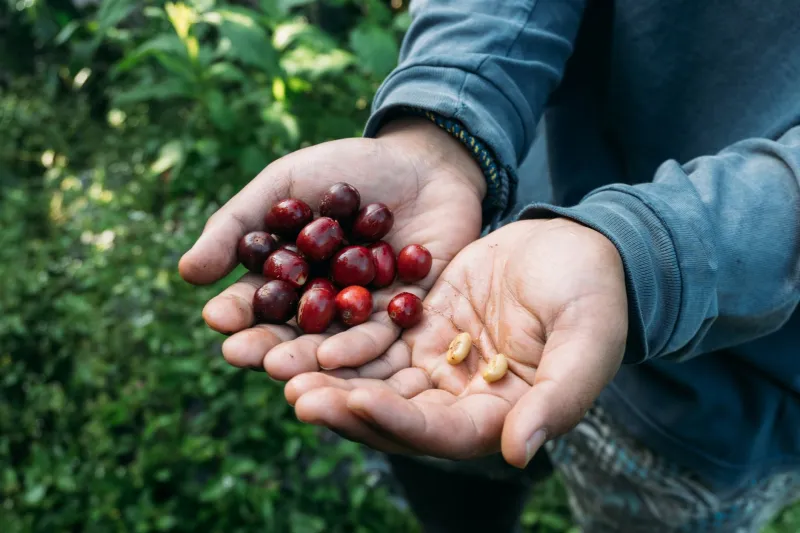
There is a particular form of business interaction that occurs throughout Starbucks Indonesia's supply chain relationships—conversations over coffee with farmers, cooperative leaders, and community representatives who hold knowledge and trust that no contract can compel them to share. These conversations require genuine curiosity, cultural humility, and the willingness to let the other person set the pace.
Professionals who have participated in enough of these interactions describe a shift in how they approach all high-stakes relationship building. They become less focused on what they need from a conversation and more attentive to what the other person values, fears, and hopes for. That shift, subtle as it sounds, produces a measurably different quality of professional relationship—one characterized by reciprocity and durability rather than transactional efficiency.
In Silicon Valley, where the most consequential relationships are also the most competitive to build, that quality of relational attention is noticed. Founders, limited partners, and fellow board members recognize when someone is genuinely present in a conversation rather than managing it. The professional who learned that distinction inside Starbucks Indonesia's coffee-sourcing network carries it into every room they enter afterward.
Building the Network Before You Need It
The professionals who have leveraged their Starbucks Indonesia relational experience most effectively share one common characteristic: they invested in relationships long before they knew how those relationships would serve them. They built trust with Indonesian counterparts, supplier communities, and cross-functional colleagues not because they had a strategic use case in mind, but because the culture demanded genuine investment.
That orientation—building relationships before you need them—is, perhaps counterintuitively, the most strategically sophisticated approach available. In venture capital, in technology leadership, and in corporate governance, the professionals who are consistently in the most important rooms are those whose trust networks were built years before the opportunity arose.
Starbucks Indonesia, for the professionals who have understood its culture deeply, is not simply a career posting. It is a trust-building environment that compounds over time—and the returns, when they arrive, tend to be extraordinary.